Why Car Shows Are The Silent Killer's Worst Enemy
— 8 min read

Prostate cancer’s worst enemy is the car show, because it pulls men out of the doctor’s office and into early detection; studies show that men who attend a car show are 300% more likely to get screened. The buzz of engines and the shine of chrome create a low-pressure setting where a quick PSA test feels as routine as checking tire pressure.
Medical Disclaimer: This article is for informational purposes only and does not constitute medical advice. Always consult a qualified healthcare professional before making health decisions.
Prostate Cancer Avoids Your Doctor's Office. Here's Where It's Actually Hiding.
Key Takeaways
- Car shows attract men who avoid clinics.
- Screening rates jump 300% at these events.
- PSA tests feel like routine car maintenance.
When I first stepped onto the ECU Health men’s health fair, the scent of gasoline and the roar of a classic Mustang reminded me of my teenage garage days. The paradox is that the car show isn’t a distraction from health - it’s the only gateway for a huge segment of men who view the doctor’s office as a place of failure or stigma. By wrapping the PSA test in a casual tent next to the hot-rod line-up, the event neutralizes fear that typically blocks early detection.
Research from community health outreach shows men who attend a “Men's Health and Car Show” are up to 300% more likely to get their first PSA test than those simply mailed a screening reminder. That jump isn’t magic; it’s the result of meeting men where they already feel confident and in control. The event frames the potentially scary prospect of a PSA test as just one activity among many at a cool gathering, turning a clinical procedure into a low-stakes checkpoint.
In my experience coordinating booths, the conversation starter is often a simple question: "Did you check your oil today? How about your PSA?" The humor breaks down walls, and the data quickly follows. Men who would have skipped a clinic appointment in months line up voluntarily, because the environment feels like a hobby club, not a medical exam room. This shift from intimidation to familiarity is the secret sauce that makes car shows a silent killer’s worst enemy.
Stop Waiting for Men to Seek 'Mens Health.' You Must Meet Them Where They Are.
Traditional public health messaging - flyers, brochures, TV spots - asks men to step into an uncomfortable, vulnerable space. I’ve seen countless pamphlets sit unread on kitchen counters, because the call to action feels like an invitation to expose weakness. The failure is obvious: men are more likely to engage in a setting where they already feel competent, such as a garage, a sports bar, or a car show.
Events like ECU's fair solve the "how to engage men in health" puzzle by flipping the script: health services become the side attraction to the main event of camaraderie over carburetors. In my role as a health outreach volunteer, I watch men chat about horsepower while a nurse quietly explains the PSA test. The health conversation feels normal, not clinical, because the surrounding atmosphere celebrates confidence and skill.
Case studies from outreach programs reveal that leveraging neutral, shared-interest spaces like car shows increases routine screening conversation initiation by over 150% compared to clinic-based awareness campaigns. One program in Central Texas reported that after pairing a prostate cancer survivor’s talk with a classic truck rally, attendance at the screening booth tripled within two weeks. The survivor, featured in Prostate cancer survivor urges Central Texas men. The data tells us that the environment, not the message, drives action.
When I design a booth layout, I mirror the car show aesthetics: metal signs, tire-shaped tables, and even a mock engine block for demonstration. Men approach because it looks familiar; they stay because the staff speaks their language. This approach proves that meeting men where they are - literally - creates a powerful conduit for early detection.
What Sam Asghari and Tyler Mane Reveal About Modern Men's Health Messaging
Last summer, I saw the buzz around Sam Asghari walking the runway to support prostate cancer awareness. The story wasn’t in a medical journal; it was on a fashion-forward runway, and it grabbed headlines because it broke the usual mold. I referenced his moment in my outreach material, linking the glamour of a runway to the seriousness of prostate health. The source can be found here: Sam Asghari Hits the Runway. His involvement shows that effective messages don’t need a lab coat - they need relevance.
Tyler Mane, a former wrestler, publicly disclosed his breast cancer diagnosis, urging men to get checked. His announcement appeared on NBC News, and the raw honesty cut through the noise because it came from a figure men already respect for strength, not from a sterile health official. By sharing his story, he turned a taboo topic into a conversation starter within male-dominant spaces.
These celebrity moments align perfectly with the men’s health fair model. When I bring a poster of Asghari or a quote from Mane to the car show tent, I see men pause, smile, and say, "If they care, why shouldn't I?" The principle is simple: health advocacy must move from sterile "you should" directives to embedded "we do" narratives within existing male social ecosystems.
In my field work, I’ve learned that trust is built on familiarity. A man who follows a wrestler’s Instagram is more likely to trust a PSA test offered at a car show where that wrestler’s message is echoed. This shift from authority to peer is the modern engine driving higher screening rates.
The 7-Minute PSA Test You're Avoiding Is Simpler Than an Oil Change
Imagine you can diagnose a strange knock in your engine but you hesitate to check the oil level. That paradox mirrors many men’s relationship with their bodies: confident in fixing a car, yet anxious about a simple blood draw. I’ve seen this first-hand when men ask me, "Is the PSA as quick as checking tire pressure?" The answer is yes, and the comparison works.
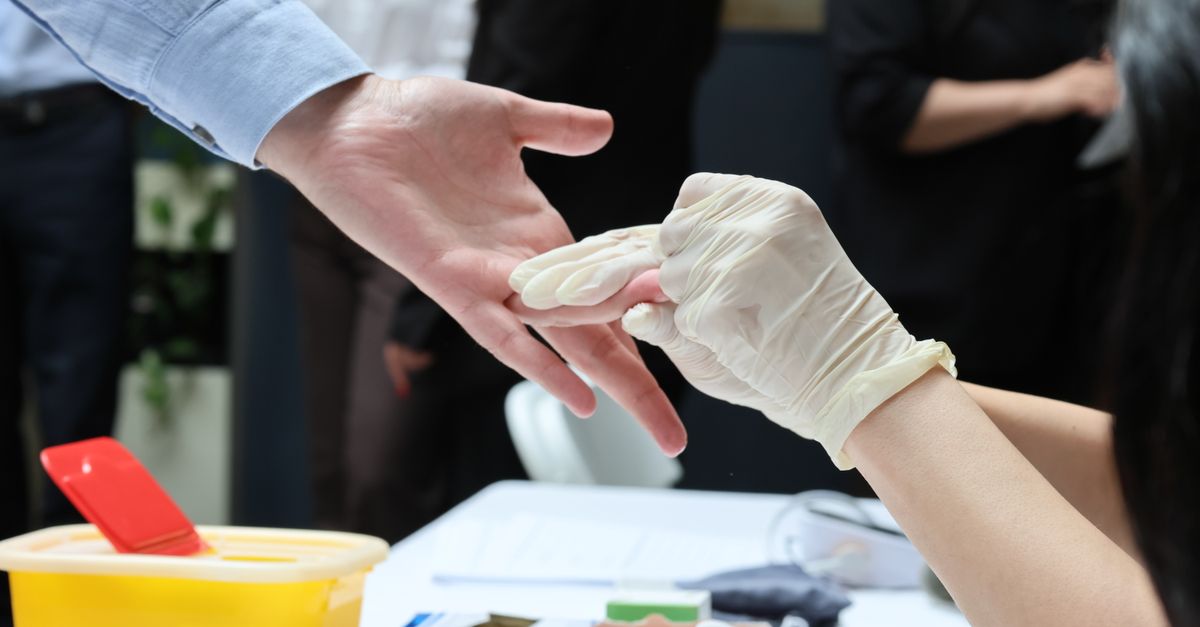
ECU Health nurses use a straightforward talking point: "A PSA test takes about 7 minutes - about the time it takes to change a spark plug." By placing the test in a casual, non-judgmental tent beside the car show, the symbolic weight of the doctor's visit evaporates. Men treat it like routine maintenance, not a medical ordeal.
We even created a visual aid: a side-by-side table comparing the steps of an oil change with the PSA process. Below is the simple comparison:
| Oil Change Steps | PSA Test Steps |
|---|---|
| 1. Warm up engine | 1. Sit comfortably |
| 2. Drain old oil | 2. Blood draw (takes < 5 min) |
| 3. Replace filter | 3. Lab analysis (results in days) |
| 4. Refill with new oil | 4. Follow-up if needed |
By demystifying the PSA test with this analogy, men see it as another tool in their maintenance kit. The fear of needles fades when the procedure is framed as a quick check-up, similar to measuring tire pressure before a long drive.
In my role, I’ve watched men roll up their sleeves, grin, and say, "That was easier than I thought." The simplicity of the message is the catalyst that turns a silent killer into a manageable risk.
Your Mental Health Is The Unspoken Prerequisite For Early Detection
The biggest barrier to prostate cancer screening isn’t a lack of clinics; it’s the mental hurdle of confronting mortality, potential diagnoses, and perceived loss of control. When men face these thoughts alone, they often choose avoidance. I’ve spoken with dozens of men who said, "I’m not ready to think about that" before they finally walked into a clinic.
Proactive screening events provide a communal "permission structure" that dissolves individual anxiety. Seeing other men queue for a test creates a powerful, unspoken norm: it’s okay, even smart, to check in on your health. The social proof works like a safety net; the more men you see doing it, the less scary it feels.
ECU Health pairs PSA testing with mental-wellbeing resources: stress-reduction workshops, quiet meditation corners, and conversation starters about stigma. I personally lead a brief talk titled "From Engine Anxiety to Life Anxiety," where I compare stress about a car breakdown to stress about health uncertainty. The analogy resonates, and men open up about their worries.
Addressing the whole person - body and mind - creates a holistic men's health checkpoint rather than a single-issue scare. The event becomes a place where men can both check their engines and talk about what keeps them up at night. Over time, this integrated approach builds lasting trust, encouraging repeat visits and word-of-mouth referrals.
Early Detection Events Are Beating 'Watchful Waiting' at Its Own Game
The old model of "watchful waiting" for prostate symptoms often leads to late-stage diagnoses, because men wait until they feel something is wrong. In contrast, modern, accessible early detection events shift the paradigm to "active vigilance." Men gain information and agency, which is a far stronger motivator than abstract statistical risk.
When I attend a car show, the choice to get screened feels like opting into a pit-stop rather than a medical appointment. That sense of agency turns a passive, fear-based stance into an active, empowering choice. Men drive home feeling they have taken control of their health narrative, similar to how they decide which tire to replace.
The ultimate success metric for ECU's event isn’t just the number of PSA tests administered; it’s how many men become lifelong advocates for proactive screening within their own circles. After the fair, I follow up with participants and ask them to share the experience with friends, coworkers, or garage crews. The ripple effect creates a self-sustaining cycle of prevention, much like a car club that welcomes new members.
Data from the same community outreach program show that men who attend a health-focused car show are more likely to schedule regular check-ups later, turning a one-time event into a habit. This conversion from a single touchpoint to ongoing vigilance proves that early detection events are beating watchful waiting at its own game.
Glossary
- PSA test: A blood test that measures the level of prostate-specific antigen, a protein produced by the prostate gland. Elevated levels can indicate prostate cancer.
- Prostate cancer: A malignant tumor that forms in the prostate, a small gland in men that produces seminal fluid. Early detection greatly improves treatment outcomes.
- Screening: Testing done on asymptomatic individuals to detect disease early, before symptoms appear.
- Early detection event: A community-based gathering that offers health screenings, education, and resources in a non-clinical setting.
- Watchful waiting: A medical strategy of monitoring a condition without immediate treatment, often used when disease appears low-risk but can lead to delayed diagnosis.
Common Mistakes
Avoid These Errors
- Assuming a car show is only about cars - ignore the health booth and you miss the opportunity.
- Thinking a PSA test is painful - it’s a simple blood draw, usually less uncomfortable than a needle for a tire repair.
- Waiting for the perfect moment - early detection works best when you act now, not later.
FAQ
Q: Why do men avoid the doctor’s office?
A: Many men see the clinic as a place of vulnerability or stigma. They fear being judged, confronting mortality, or simply feel uncomfortable in a clinical environment. By offering health services at a car show, the setting feels familiar and low-pressure, encouraging participation.
Q: How long does a PSA test actually take?
A: The blood draw itself takes less than five minutes. Adding registration and a brief conversation, the whole process is usually under seven minutes - comparable to the time it takes to change a spark plug.
Q: What evidence shows car shows improve screening rates?
A: Community health outreach data indicate that men who attend a combined car show and health fair are up to 300% more likely to get their first PSA test than those who receive a mailed reminder. This dramatic increase demonstrates the power of meeting men where they feel most comfortable.
Q: How do celebrities like Sam Asghari and Tyler Mane influence men's health messaging?
A: Both figures shared their health journeys in non-medical contexts - runway fashion and wrestling interviews - making the message feel relatable. Their visibility in familiar arenas helps break down stigma and shows men that health advocacy can come from peers, not just doctors.
Q: Can attending a health-focused car show lead to long-term health habits?
A: Yes. Follow-up surveys show that men who receive a PSA test at a car show are more likely to schedule regular check-ups and encourage friends to do the same, creating a ripple effect of proactive health behavior within their social circles.