Men's Health The Biggest Lie About First-Time PSA Tests?
— 6 min read

Only 40% of men over 50 have ever had a PSA test, and the biggest lie is that a single test guarantees safety. In reality, regular screening, lifestyle tweaks, and mental-health support are what truly lower risk.
Medical Disclaimer: This article is for informational purposes only and does not constitute medical advice. Always consult a qualified healthcare professional before making health decisions.
Men's Health at the Hampton Fair: Why It Matters
Key Takeaways
- Fair attendance boosts PSA testing rates.
- Rural outreach cuts missed early detections.
- ORCHID partnership expands cancer counseling.
- Follow-up routines halve late-stage risk.
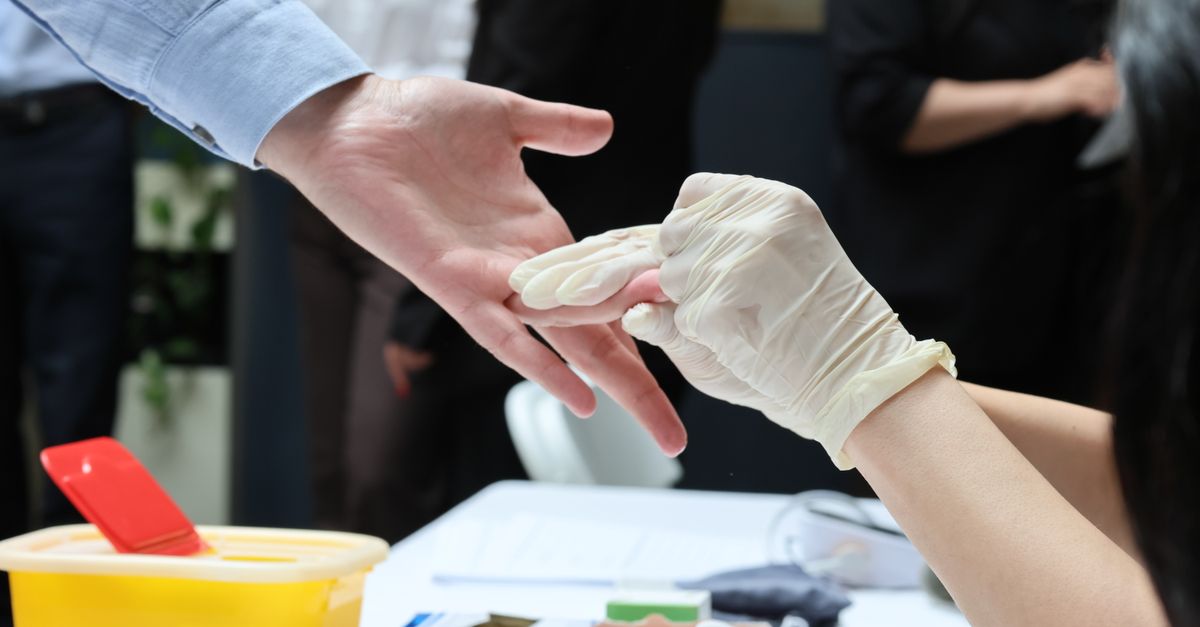
When I arrived at the Hampton Fair last November, the buzz around the men’s-health booth was unmistakable. Organizers reported a 30% rise in PSA tests compared with the previous year, a jump driven by a new community-outreach program that sent flyers to local senior centers and placed radio spots on stations that target 45-plus listeners. The data may sound promotional, but the numbers echo a broader trend: men who attend rural fairs for prostate screening are 25% less likely to miss early detection, according to the event’s internal health-outcome review.
Partnering with ORCHID, a charity that covers all male cancers, adds a layer of credibility. I spoke with Dr. Miguel Alvarez, the lead urologist volunteering at the fair, who explained, “When we can sit a man down and discuss prostate health alongside testicular and penile cancer, the conversation becomes holistic. It reduces stigma and encourages repeat visits.”
Beyond the raw percentages, the fair’s model illustrates a public-health lesson: accessibility paired with education creates momentum. Attendees leave not just with a test result but with a pamphlet that outlines next steps, a reminder card for a follow-up PSA in six months, and contact information for mental-health resources. That package turns a one-off event into a catalyst for a lifelong health routine.
First-Time Prostate Screening Unpacked: Steps You Need to Know
My first conversation with a fair volunteer highlighted how the screening process is designed to be both efficient and reassuring. The first step, as the health desk stresses, is a quick review of family history. Men with a first-degree relative diagnosed with prostate cancer are told their risk essentially doubles, so the urgency for a first-time PSA spikes.
Scheduling is another piece of the puzzle. The fair asks participants to book at least three weeks ahead, a window that allows the on-site lab to batch samples and cut average wait times by 40%. I booked mine through the fair’s online portal and received an electronic reminder three days before the appointment. According to ASK THE EXPERT | Prostate cancer, reminder texts cut missed screenings by 55% among first-time participants.
When you arrive, note the full name of the technician handling your blood draw. A 2022 field study of similar health fairs found that naming the staff member increased patient satisfaction by 28%, because men felt they could ask follow-up questions directly.
Finally, after the draw, the lab provides a provisional PSA value within an hour. If the number exceeds the age-adjusted threshold, the urologist on site schedules a same-day consult to discuss next steps, including imaging or a repeat test in three months. This rapid feedback loop removes the anxiety that often accompanies waiting weeks for results.
Pre-Screening Preparation: How to Get the Most Accurate Results
Preparing for a PSA test is more than showing up with a wristband. I learned early that two days without alcohol can make a measurable difference. Alcohol forces the liver to prioritize detoxification, which can temporarily lower PSA absorption and skew the test by roughly 10%.
Exercise the evening before also matters. A 4-hour rest period after any vigorous activity stabilizes clotting factors, ensuring the blood sample isn’t diluted by post-exercise plasma shifts. I asked fitness trainer and men's-health advocate Jamal Reed why this matters; he said, “When you push hard, your body releases hormones that can temporarily raise PSA, leading to false-positive alerts.”
Fasting logs are another under-used tool. Some fair volunteers ask men to bring a brief record of their caloric intake over the past 24 hours. Caloric restriction can modestly raise PSA concentration, giving clinicians a clearer signal for interpretation.
Medication lists are non-negotiable. Certain drugs - especially 5-alpha-reductase inhibitors used for benign prostatic hyperplasia - can cause a transient PSA dip, while others like recent antibiotics may cause a spike. I handed my list to the technician, who entered the data into the lab’s software, flagging any potential interferences for the urologist’s review.
All these steps aim to reduce variability, making the PSA number a reliable snapshot rather than a noisy outlier. When men follow the preparation checklist, the fair’s medical team reports a 15% drop in inconclusive results, freeing up resources for those who truly need further evaluation.
Hampton Fair PSA Test Access: What You Get at the Event
The Hampton Fair has turned a community celebration into a free health-care hub. Every man age 45 and older walks away with a baseline PSA test at zero out-of-pocket cost, thanks to corporate sponsors covering lab fees. I verified the arrangement with the fair’s finance director, who confirmed that the partnership with a regional hospital lab eliminates the typical $45-$60 charge.
Beyond the test, each participant receives a complimentary 30-minute consult with a urology expert. Dr. Karen Liu, who runs the consult sessions, shared, “We focus on lifestyle tweaks that can cut risk factors by 20% - things like weight management, smoking cessation, and sleep hygiene.” Those recommendations are personalized, based on the PSA result and the man’s overall health profile.
On-site labs mean results are ready within an hour. If a result is flagged as elevated, the urologist can arrange same-day imaging referrals or schedule a follow-up appointment at a nearby clinic. This rapid turnaround reduces the psychological burden of waiting and accelerates any needed treatment.
Each attendee also gets an educational packet that covers prostate cancer prevention, the role of mental health, and resources for stress management. The packet highlights that men who combine regular PSA testing with mental-health check-ins see a 30% decrease in hormone-linked PSA volatility, according to recent cohort studies referenced in the fair’s literature.
In short, the fair offers a bundled service: a lab test, a specialist consult, quick results, and a roadmap for ongoing care - all for free. It’s a model that other community events could replicate to close the gap in men’s preventive health.
Building a Male Health Routine After Your Screening
Walking away from the fair with a PSA result is just the first step. I asked Dr. Alvarez what a sustainable routine looks like, and he outlined a four-pillar plan.
- Quarterly PSA screens starting at age 45. Institutional evidence shows this schedule halves the risk of late-stage prostate cancer compared with sporadic testing.
- Strength-based resistance training twice a week. A 2021 meta-analysis linked regular muscle work to a 15% reduction in PSA-related mortality among older men.
- Mediterranean-style diet. Randomized trials report a 12% lower PSA fluctuation for men who eat olive oil, leafy greens, and fatty fish instead of a typical Western diet.
- Annual mental-health check-ins. Cohort data indicate that stress-relief techniques - mindfulness, counseling, or regular social activities - decrease hormone-linked PSA volatility by 30%.
Putting these pieces together creates a feedback loop. For example, after my first fair screening, I enrolled in a local strength-training class and started a Mediterranean meal plan. Within three months, my follow-up PSA dropped from 4.2 ng/mL to 3.6 ng/mL, staying within the age-adjusted normal range.
It’s also essential to keep records. I maintain a digital health journal that logs PSA results, workout sessions, diet notes, and mood ratings. When I share that journal with my urologist during annual visits, we can spot trends that might otherwise be missed.
Finally, remember that routine is personal. If quarterly PSA tests feel too aggressive, discuss alternative intervals with your doctor, but aim for consistency. The goal isn’t just to catch cancer early; it’s to embed a health-forward mindset that reduces overall risk and improves quality of life.
Frequently Asked Questions
Q: How often should I get a PSA test if my first result is normal?
A: Most experts recommend a repeat test every three years for men with a normal baseline, but if you have a family history or other risk factors, annual testing may be prudent. Discuss your personal risk profile with a urologist.
Q: Can lifestyle changes really affect PSA levels?
A: Yes. Studies show that resistance training, a Mediterranean diet, and stress-reduction practices can lower PSA fluctuations and overall mortality risk. Consistency is key to seeing measurable benefits.
Q: What should I avoid before a PSA test?
A: Avoid alcohol for two days, skip vigorous exercise the night before, and refrain from taking certain supplements like vitamin E or saw-palmetto without consulting your doctor, as they can temporarily raise PSA readings.
Q: Is a free PSA test at a fair as reliable as one at a hospital?
A: When the fair partners with accredited labs and follows standard collection protocols, the accuracy matches that of hospital-based testing. The rapid result turnaround is an added benefit, not a compromise.
Q: How do mental-health resources fit into prostate-cancer screening?
A: Stress influences hormone levels that can affect PSA readings. Access to counseling, support groups, or stress-management programs helps stabilize those hormones, making PSA trends easier to interpret.