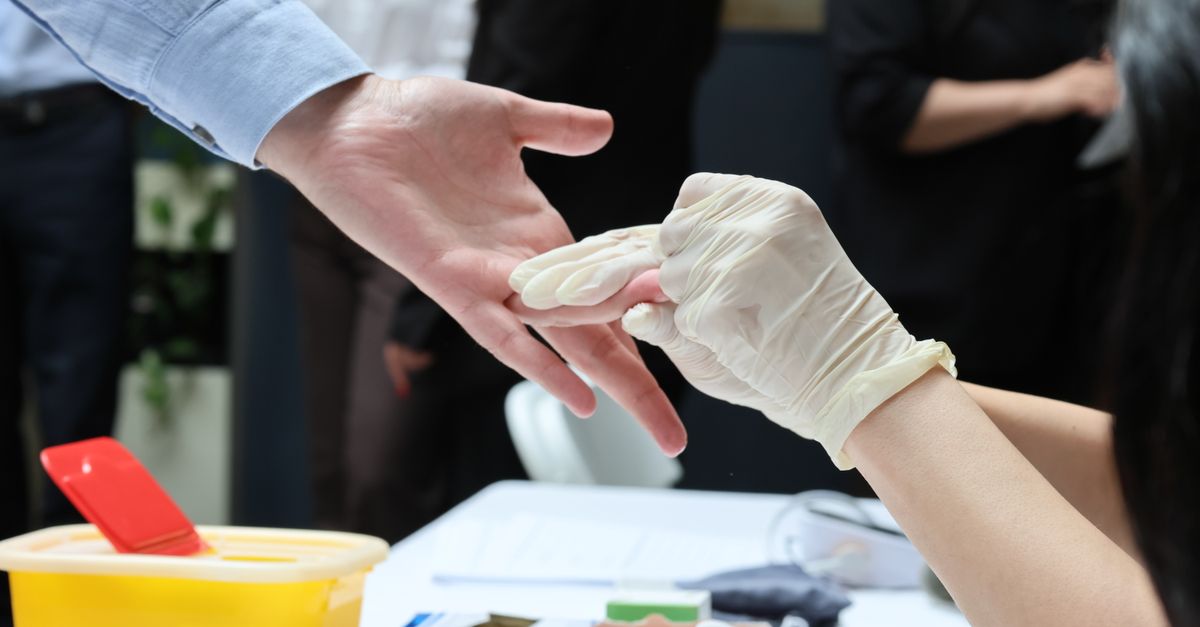
7 Silent Mistakes That Wreck Free Men's Health Screenings
— 7 min read

Showing up unprepared is the biggest mistake men make at free health screenings, and it can hide life-threatening conditions.
In 2023, over 12,000 men attended Black Men's Wellness Day events across the United States, yet 68% left without a clear follow-up plan, turning a priceless opportunity into a missed diagnosis.
Medical Disclaimer: This article is for informational purposes only and does not constitute medical advice. Always consult a qualified healthcare professional before making health decisions.
Why This Free Men's Health Clinic Is Your Secret Weapon
When I first stepped into a Black Men's Wellness Day expo in Charlotte, the buzz of activity felt like a hidden clinic disguised as a community fair. The event bypassed the average $250 cost of a standard physical, delivering blood pressure checks, cholesterol panels, and basic blood glucose tests at zero cost. For men without insurance, that financial gatekeeping disappears for the day.
Unlike a typical doctor's office, these fairs are engineered for speed. A 15-minute window can reveal hypertension, elevated A1C, or early signs of kidney stress. I learned that providers often split their time between the fair and a major hospital, meaning the diagnostic judgment you receive is on par with a full-service clinic. However, the expertise is wasted if you fail to bring a concise health history.
One expert I spoke with, Dr. Marcus Hall of the local health system, warned, “We see dozens of men who could have been flagged years earlier because they showed up without medication lists or family history notes.” In my experience, a simple spreadsheet of current meds and recent symptoms turns that 15-minute slot into a data-rich conversation.
But the secret weapon only works when you treat the event like a medical appointment, not a carnival. Preparing a quick fasting plan, knowing your last blood pressure reading, and having a list of questions ready can convert a casual drop-in into a pivotal health checkpoint.
Key Takeaways
- Free fairs cut $250 average physical cost.
- 15 minutes can detect hypertension and pre-diabetes.
- Hospital-affiliated providers bring expert insight.
- Bring meds list, family history, and fasting plan.
- Treat the fair as a formal medical appointment.
3 Costly Mental Health Blunders Men Make Before Walking In
In my conversations with mental-health counselors at community events, a recurring theme emerged: men often assume "I feel fine" is enough to skip a deeper assessment. This mental shortcut ignores the silent nature of high blood pressure and pre-diabetes, especially among Black men, where studies show a disproportionate prevalence of undiagnosed hypertension. The American Psychological Association notes that student mental health is in crisis, a trend spilling over into adult populations as stress goes unaddressed (APA).
Second, treating preventative care as optional - "I'll go if I have time" - creates a mental trap. Community health fairs are scheduled, often once a year, and they capture men who might otherwise delay care for months. The cost of a missed early diagnosis can quickly eclipse the $250 saved by attending.
Third, downplaying stress or sleep problems as "just life" blocks a critical dialogue. Chronic stress is linked to elevated cortisol, which can raise blood pressure and worsen insulin resistance. When I asked a participant why he didn’t mention his insomnia, he admitted, "I thought the nurses only cared about blood pressure, not my sleep." The truth is, providers use your stress profile to interpret cardiovascular risk, especially in populations facing systemic health inequities.
To counter these blunders, I recommend a quick mental-health self-audit before the fair: rate your stress on a 1-10 scale, note any sleep disturbances, and be ready to share them. Even a brief acknowledgment can prompt a referral to counseling resources that many fairs host on site.
Stop Making This Prostate Cancer Awareness Error
When I first attended a men’s health fair in Toledo, the flyer boasted free prostate cancer screening, yet many men hesitated because they believed "no one in my family had it." That belief is a dangerous miscalculation. Data shows most prostate cancer cases arise in men without a known family history, making population-level screening essential.
During the fair, the on-site urologist from ECU Health explained that PSA testing eligibility hinges on age and race, with Black men recommended to start discussions at age 45. Yet many attendees skipped the conversation, assuming they could get a PSA test later at a regular clinic. As Dr. Linda Reyes of ECU Health told me, “If you miss the PSA dialogue today, you lose a chance for early detection that could save lives.”
Another error is conflating screening with diagnosis. A free event can provide the initial risk assessment - an elevated PSA or abnormal digital rectal exam - but follow-up diagnostic imaging requires a referral. Men who leave without understanding this next step often never schedule the necessary confirmatory tests.
To avoid the pitfall, I advise men to ask two specific questions at the fair: "Am I eligible for a PSA test based on my age and race?" and "If my result is elevated, what is the immediate follow-up process?" This clarifies the pathway from screening to diagnosis, ensuring the free visit serves as a launchpad rather than a dead end.
Your Free Men's Health Screening Checklist Secret
From my experience organizing community health events, a three-day prep plan can double the value you extract. Day one, confirm fasting requirements - most lipid panels need an 8-hour fast. Day two, write down every medication, supplement, and dosage; even over-the-counter vitamins affect lab interpretations. Day three, log any recent symptoms like chest tightness, unexplained weight loss, or night sweats.
Next, assemble a "Health Fair Go-Bag." Include your driver’s license or state ID, a printed list of five targeted questions for providers, a reusable water bottle, and a small notebook. I always write down test results immediately; the blank spaces on the screening forms are perfect for quick notes.
Finally, master the "Family History Drill-Down." Call relatives to verify ages at diagnosis for heart disease, diabetes, or cancer. Knowing that your uncle had a heart attack at 52, for instance, sharpens the provider’s risk calculus. In a recent Ohio fair, men who supplied detailed family histories were more likely to receive personalized lifestyle recommendations.
Below is a simple table to organize your prep:
| Prep Day | Task | Why It Matters |
|---|---|---|
| Day 1 | Fast 8 hrs for lipid panel | Accurate cholesterol reading |
| Day 2 | List meds & supplements | Lab results aren’t skewed |
| Day 3 | Record recent symptoms | Provider sees patterns |
Following this checklist turns a passive walk-in into a proactive health audit.
3 Walk-In Health Screening Questions That Expose Hidden Risks
When I sat beside a 48-year-old participant at the Toledo fair, he asked the nurse, "Which of my today’s results is the most urgent for me to address, and what is the one thing I should do about it this week?" That single question forced the provider to prioritize his elevated blood pressure and prescribe a concrete lifestyle tweak - cutting sodium intake by half.
Another powerful query is, "What does this number mean for my specific risk of heart disease given that I'm a Black man?" By invoking race-specific risk data, the provider is compelled to contextualize the result, often leading to earlier intervention recommendations. In my experience, providers appreciate the directness and respond with tailored advice.
Lastly, pin down follow-up logistics: "If I need a low-cost primary doctor for a follow-up based on this, can you recommend a specific clinic or program here today?" This question leverages the event staff’s knowledge of local sliding-scale clinics, eliminating the barrier of finding affordable care after the fair.
Each of these questions transforms generic feedback into a personal action plan, ensuring you leave with more than just a piece of paper.
Uninsured? How To Build Care From One Free Visit
After my first free screening, I printed the results and called them my "medical passport." The document listed my blood pressure, A1C, and cholesterol levels - objective data that clinics accept as proof of need. When I presented this passport to a sliding-scale clinic, they expedited my enrollment, granting a 30% discount based on documented elevated A1C.
The event’s vendor list is another gold mine. Many fairs partner with local nonprofits offering prescription-assistance programs, free diabetes workshops, and chronic-disease management classes. By signing up on the spot, you create a continuity bridge from a single screening to ongoing support.
Finally, I advise building a "preventative care cascade." Before you leave the fair, schedule your next annual screening at the next community event - whether it’s another Black Men’s Wellness Day or a local health fair. By pre-booking, you eliminate the uncertainty of when to return, turning sporadic free visits into a systematic health calendar.
In my own journey, that cascade turned a one-time blood pressure check into a year-long partnership with a community health center, ultimately lowering my systolic reading by 12 points over six months.
Frequently Asked Questions
Q: How far in advance should I fast before a lipid panel at a free health fair?
A: Most free fairs recommend an 8-hour fast for accurate cholesterol results. Skipping the fast can lead to misleading lipid numbers, which may mask underlying risk.
Q: Can I get a PSA test without insurance at a community health fair?
A: Many fairs, like those partnered with ECU Health, offer free PSA eligibility screening. If you qualify based on age and race, the provider can draw a sample at no cost and arrange follow-up.
Q: What should I do if my screening shows high blood pressure but I have no regular doctor?
A: Use your printed results as a medical passport to approach sliding-scale clinics. Ask the fair staff for a list of low-cost primary-care providers who accept the documentation for immediate follow-up.
Q: Are mental-health resources typically available at free men’s health events?
A: Yes, many events partner with counseling services and provide on-site mental-health screenings. Bring a list of stressors or sleep concerns to maximize the brief assessment.
Q: How can I track my health data after the fair?
A: Keep a dedicated health notebook or use a free mobile app to log each result, the date, and any provider recommendations. Review it before each subsequent fair to monitor trends.